01
Support for your angle
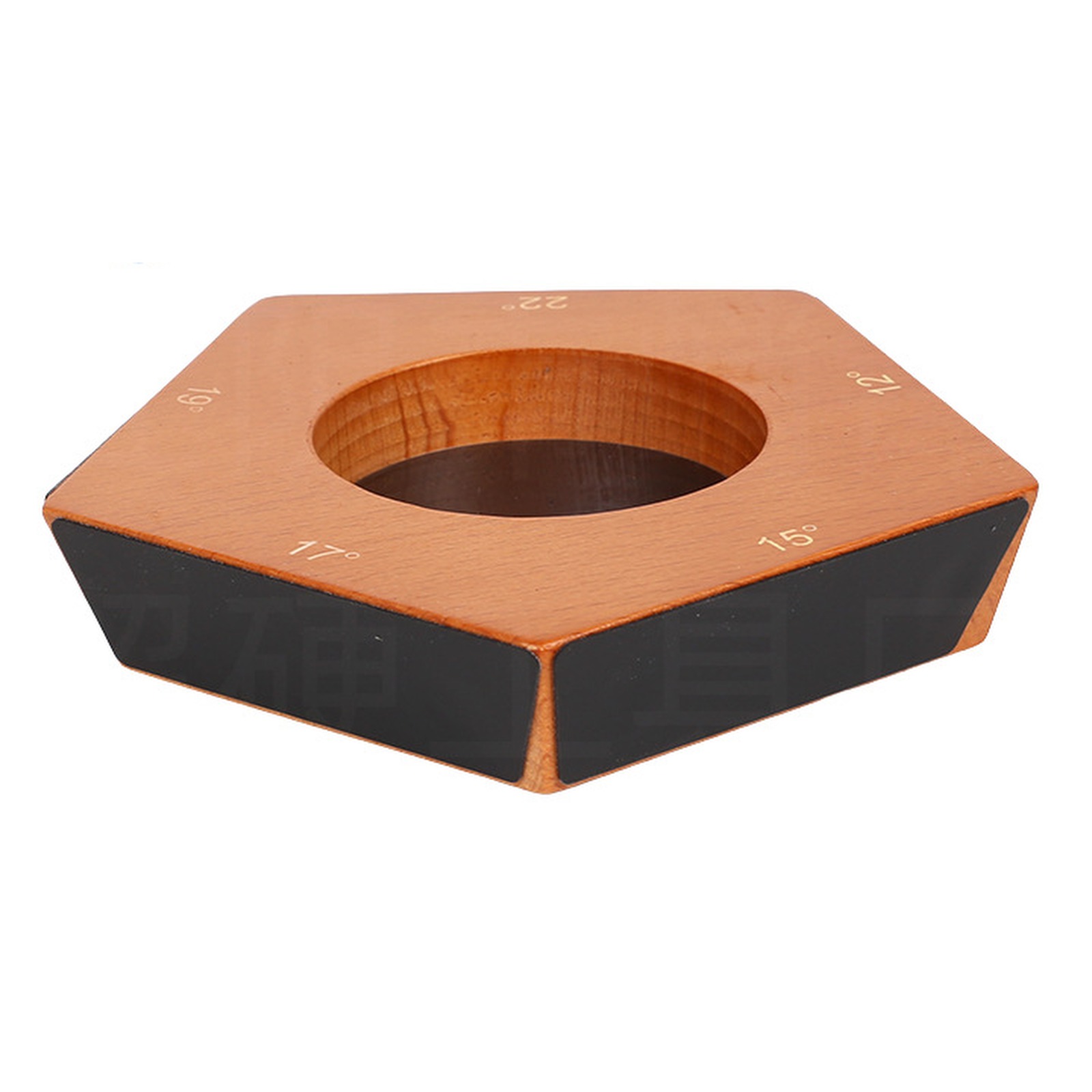
A magnetic wood base with five marked positions. Check the grip and match the setting to your knife.
01 / 04The complete set
Explore all four views. Knives and styling props are not included.
The everyday edge ritual
$59 USD / set
A steady angle. A smooth rolling motion. Care for your kitchen knives with a magnetic wood base, five angle positions, and dual rolling abrasives.
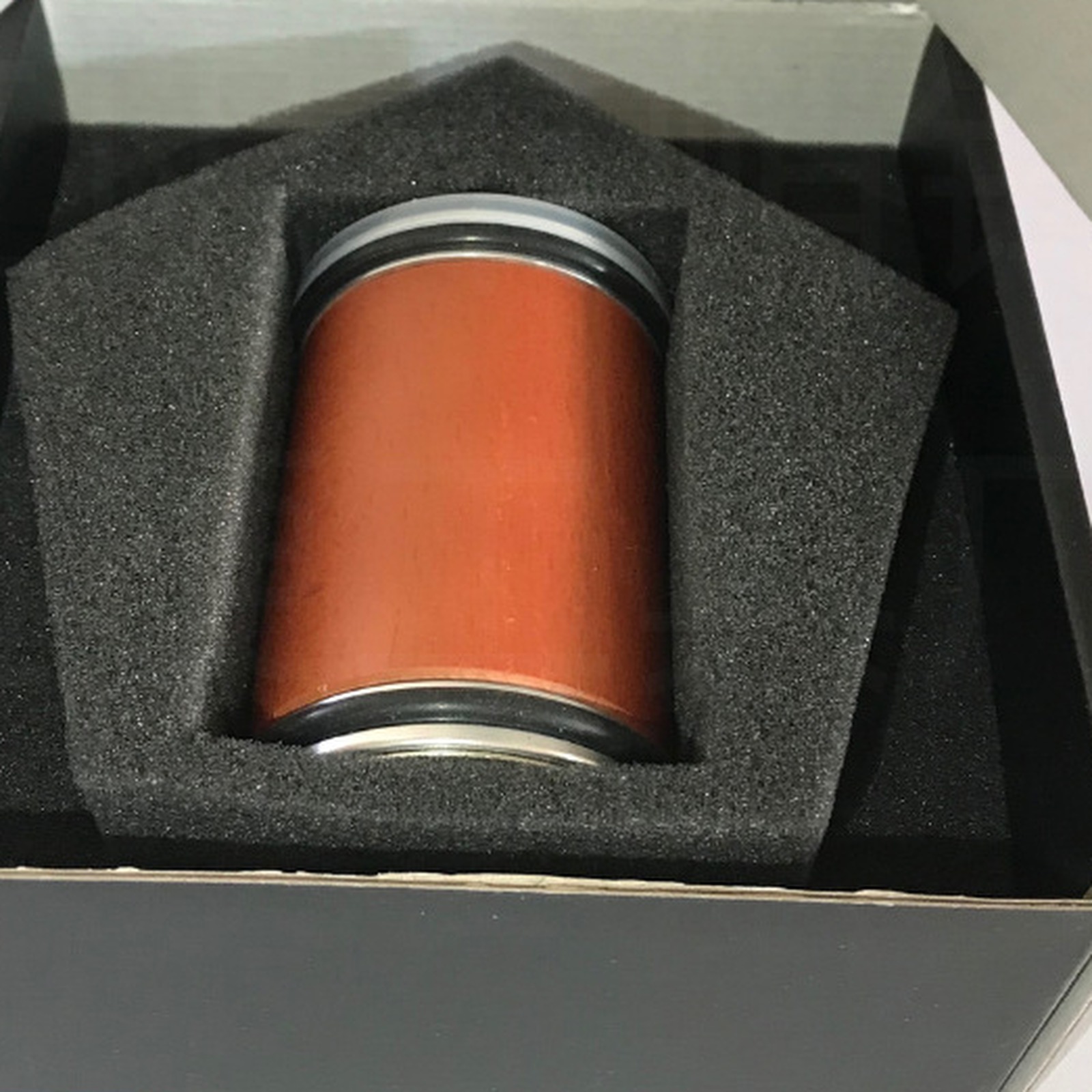
A magnetic five-angle wood base, a wood rolling sharpener, and dual sharpening abrasives marked 400# and 1000#, presented in a fitted box. Knives, cutting boards, and other styling props are not included.
One complete set · $59 USD
For magnetic steel kitchen knives with plain, double-bevel edges. Match the angle to your knife maker’s guidance and check the blade grips securely with room for the roller to reach the bevel. Narrow blades, thick bolsters, and curved tips need particular care. Not suitable for ceramic knives, serrated edges, scissors, or single-bevel blades. Ask a professional about chipped or damaged edges.
Put the knife away safely, then lift loose sharpening dust with a soft, dry brush. Wipe the wood with a barely damp cloth and dry immediately. Keep the roller and abrasive faces dry; do not soak the wood, oil the abrasives, or put the set in a dishwasher. Clean the knife separately before food preparation. Store the set dry, away from heat and out of children’s reach.
The displayed US rate is free from $59, or $7.99 below. Delivery estimates will be published before shipping begins. See the shipping guide for details.
Our returns page explains the planned 30-day policy and your consumer rights. Review the payment status in your cart before continuing.
A considered approach
A good routine starts with a steady setup. The magnetic wood base supports a compatible blade while you move the roller along its edge. You control the pressure and pace, with no motor, battery, or charging cable.
Choose from the guide’s marked 12°, 15°, 17°, 19°, and 22° positions to match your knife maker’s advice. Check the magnetic grip and edge clearance before every session.
The dual abrasives are marked 400# and 1000#: approximately 400 grit for sharpening and 1000 grit for a finer finish. These are nominal grades, not independently certified measurements. Work with light pressure and check progress as you go.
The set, up close
Wood. Magnetic support. Manual control.
A magnetic wood base with five marked positions. Check the grip and match the setting to your knife.
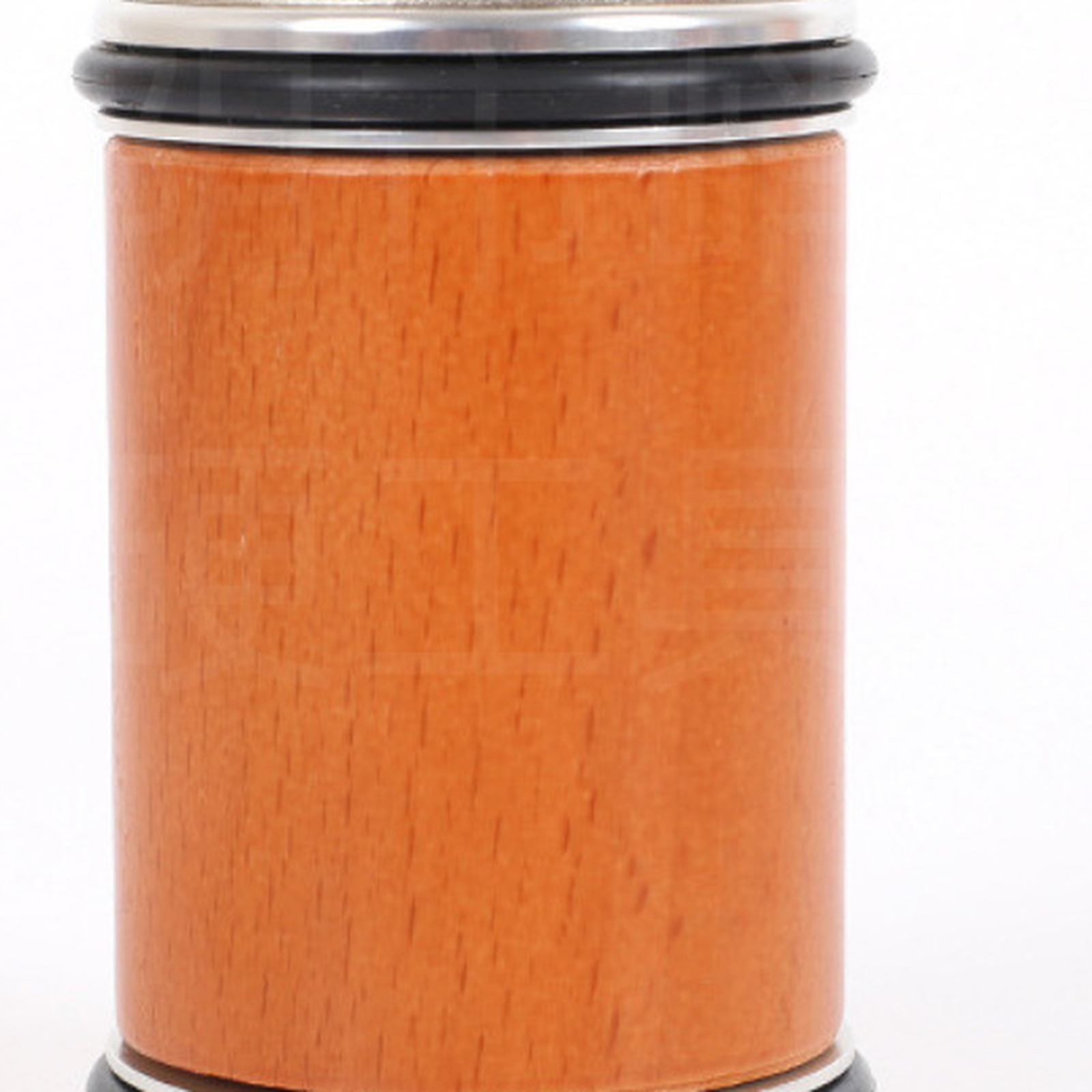
A wood roller and dual abrasives, approximately 400 + 1000 grit. Use light pressure, then a finer finish.
Let the set dry before putting it away in its fitted box. Store your knife separately and safely.
The magnetic base supports a compatible blade at your chosen angle. You move the roller along the bevel with light pressure, letting the abrasive remove small amounts of metal. Work both sides of a double-bevel knife and check progress regularly. The base helps hold the angle; you still control the pressure, contact, and pace.
Use it with magnetic steel knives that have plain, double-bevel edges. Check magnetic grip, blade height, and roller clearance first. Narrow blades, thick bolsters, and curved tips need particular care. Ceramic knives, serrated edges, scissors, and single-bevel blades need a different method. Chipped or damaged edges may need professional repair.
They identify the two nominal abrasive grades: approximately 400 grit for sharpening and 1000 grit for a finer finish. Grit numbers are approximate and are not independently certified measurements; grading can differ between abrasive systems. We do not claim a certified diamond composition or a fixed abrasive lifespan. Use light pressure and check the edge rather than relying on a fixed pass count.
Keep this set dry in use. Do not add water or oil to the abrasive faces, and do not soak the wood base. Brush away loose dust after sharpening, then clean the knife separately before preparing food. A barely damp cloth is enough for the wood, followed by immediate drying.
There is no useful one-size-fits-all count. Blade steel, existing angle, edge condition, and technique all affect the work needed. Make controlled passes and check progress safely. Stop if the knife slips, the roller catches, or contact is uneven; extra pressure will not fix a poor setup.
A rolling setup uses a magnetic guide to support one of its marked angles while the abrasive moves along the blade. With a freehand stone, you move the knife and maintain the angle yourself. Stones offer flexibility in angles and abrasive choice; a rolling set offers a repeatable setup for compatible blades. Both take care, practice, and good control.
The method
Understand the magnetic base, the abrasive roller, and the checks to make before a blade meets the tool.
Read guideAngle basics
What an angle means, why smaller is not always better, and where to start with your own knife.
Read guideCare & upkeep
Remove sharpening dust, look after the wood, and know what to check before your next session.
Read guideExplore EdgeRoll
Not available to order or preorder
Coming soon