Skip to content
Meet your new knife-care ritual · Five angles. One $59 set.
EdgeRoll
The 5-angle set$59Replacement rollersComing soon

Explore

Rolling knife sharpenersFuture accessoriesShop all
The notebookFAQOur approach
Explore EdgeRoll
The 5-angle set$59Replacement rollersComing soon

Learn & explore

The notebookFAQOur approachShop allShippingReturnsContact
EdgeRoll

A simple, considered approach to everyday knife care. Rolling sharpeners, clear guidance, and a little know-how.

Help with your EdgeRoll

Shop

  • 5-angle sharpener set
  • Replacement rollers
  • Rolling knife sharpeners
  • Shop all

Learn

  • How it works
  • Angle basics
  • Care
  • All guides

Help

  • FAQ
  • Shipping
  • Returns
  • Contact us

Company

  • About EdgeRoll
  • Privacy policy
  • Terms of service

A little know-how, always here.

Practical notes on angles, the rolling method, and caring for the tools you keep.

Open the notebook

© 2026 EdgeRoll · Knife care, considered. · USD

  • VISA
  • AMEX
  • Apple Pay
  • Google Pay

PrivacyTermsReturns

Your cart

Five-angle magnetic wood guide, wood sharpening roller, two abrasive discs, and a plain black box

Your cart is empty

A better edge starts with a little care.

Explore the $59 set
Home/Guides/Find the angle your knife was made for.

Angle basics

Find the angle your knife was made for.

What an angle means, why smaller is not always better, and where to start with your own knife.

4 min read·Practical guide·All guides

Per side versus the whole edge

Knife sharpening angles are often described per side. A symmetrical double-bevel knife sharpened at 15° per side has an included edge angle of about 30°. Always check how your knife maker expresses its guidance; a total angle and a per-side angle are not interchangeable.

Some knives have asymmetric or single-bevel geometry. A general-purpose magnetic roller setup should not be assumed suitable for those knives.

A smaller number is a tradeoff

A more acute edge can reduce resistance through food but may be more vulnerable to rolling or chipping, depending on the steel, thickness behind the edge, heat treatment, and use. A wider angle can support a more robust edge. Neither choice guarantees sharpness or durability by itself.

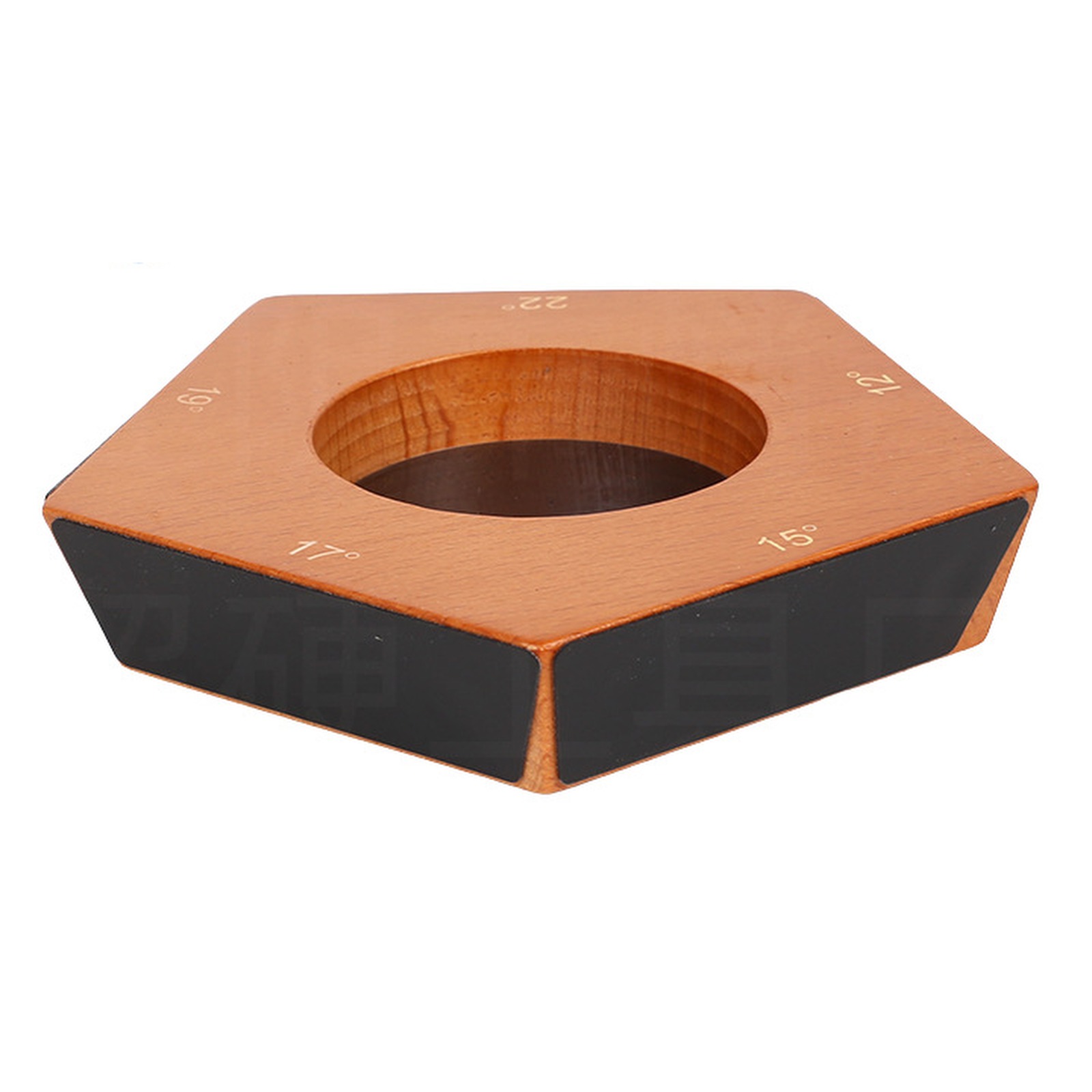
For example, 15° and 20° per side are commonly discussed kitchen-knife angles. The EdgeRoll guide is marked 12°, 15°, 17°, 19°, and 22°; choose a position only when it matches the recommendation for your knife.

The best starting angle is the one recommended for your knife.

Preserve the intended geometry

Start with the knife maker’s recommendation. Choosing a different angle may reprofile the bevel, which removes additional metal and can take substantial work. A multi-angle magnetic sharpener gives you positions to choose from; it does not make every position appropriate for every blade.

The five positions marked on the EdgeRoll guide are 12°, 15°, 17°, 19°, and 22°. If the supplied positions do not match your knife, choose an appropriate method or consult a professional.

Check contact and clearance

Angle choice is only part of the setup. The blade must grip securely and sit with the edge accessible. A narrow paring knife, a tall blade, a thick bolster, or a sweeping tip can change how the abrasive reaches the bevel. Never force the roller into the handle or base.

If contact looks uneven or the blade moves, stop. Do not compensate with more pressure. The rolling method guide explains the checks before sharpening.

General knife-care guidance. Follow your knife maker’s recommendations and the tool instructions. Check blade fit before sharpening and clean your knife before preparing food.

At a glance

  • TopicAngle basics
  • Read time4 minutes
  • Best forEveryday knife care
Explore the five-angle set

Remember

Check blade fit. Use light pressure. Keep fingers clear of the edge. Wipe the wood dry and never soak the set.

Read FAQ
Five-angle magnetic wood guide, wood sharpening roller, two abrasive discs, and a plain black box

The everyday edge ritual

5-angle rolling knife sharpener set

$59

A steady angle. A smooth rolling motion. Care for your kitchen knives with a magnetic wood base, five angle positions, and dual rolling abrasives.

Explore the five-angle setView all products

Keep reading

Related guides

All guides

The method

A steady angle. A simple rolling motion.

Understand the magnetic base, the abrasive roller, and the checks to make before a blade meets the tool.

Read guide

Care & upkeep

Keep the ritual. Care for the tools.

Remove sharpening dust, look after the wood, and know what to check before your next session.

Read guide
Knife Sharpening Angle Basics | EdgeRoll