The method
Keep a kitchen knife sharp between full sessions.
A calm home routine for everyday edges: spot dullness early, choose a sensible angle, refresh lightly, then clean and store the knife safely.
Notice dullness before dinner fights you
A sharp kitchen knife should glide through tomato skin and paper-thin onion slices without crushing. If you find yourself sawing, pressing harder, or leaving crushed produce behind the cut, the edge is asking for attention.
Catching dullness early usually means a short refresh, not a long reprofile. That is kinder to the steel and easier to fit into a weeknight routine.
Match the angle to the knife you own
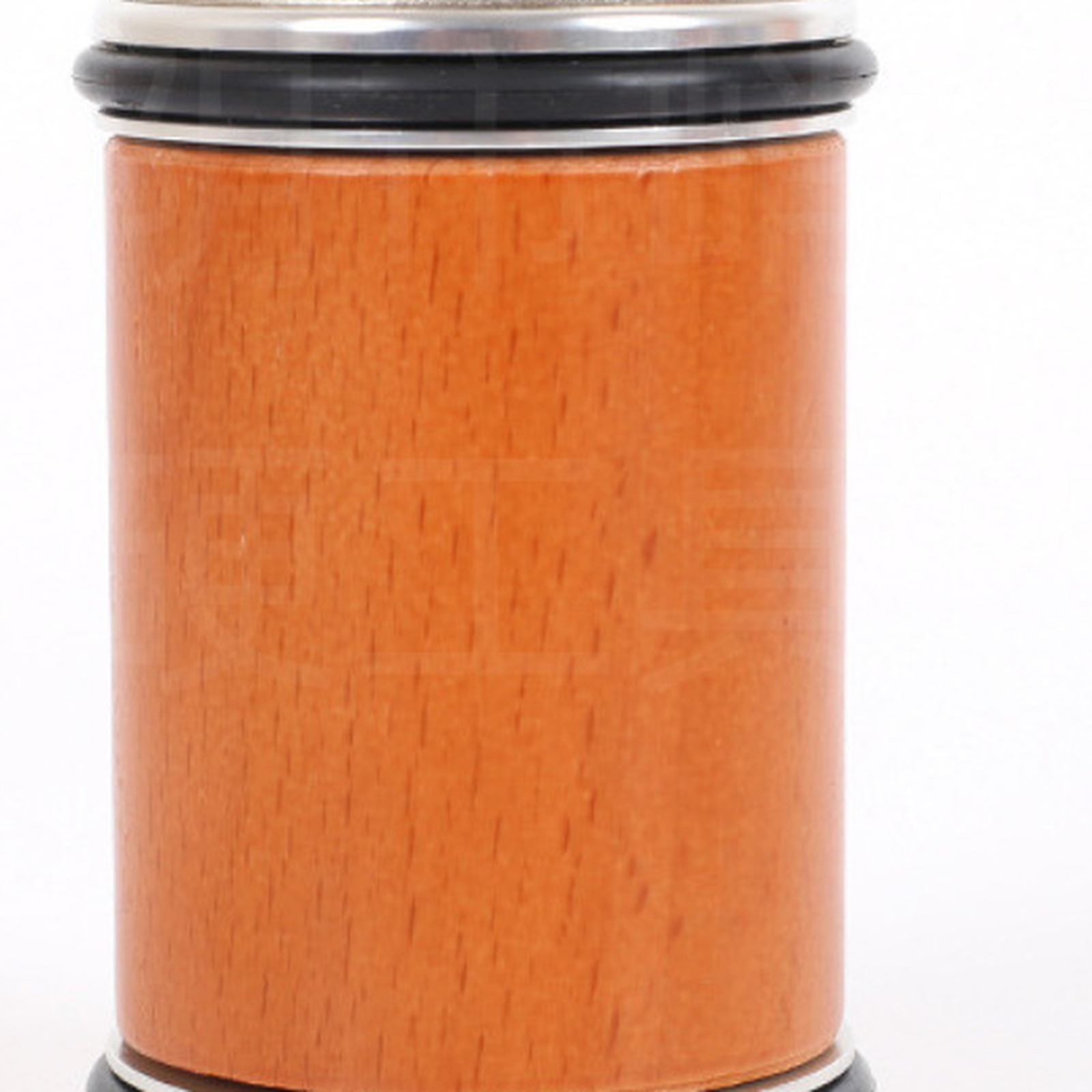
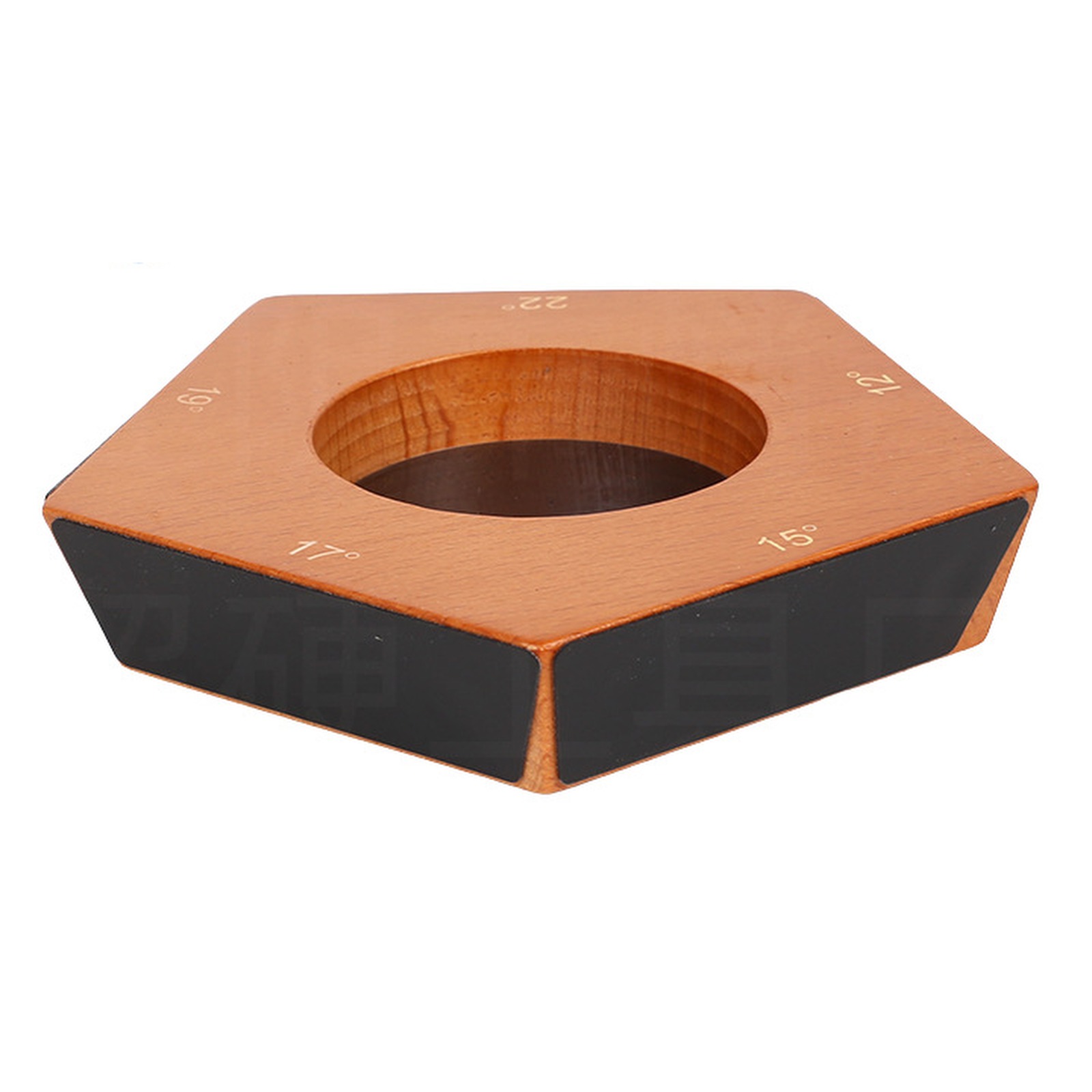
Most Western-style chef’s knives sit in a mid-angle range; many Japanese-inspired blades run thinner. Start from the knife maker’s guidance when you have it. A multi-angle magnetic guide—such as the 5-angle rolling knife sharpener—gives marked positions so you can return to the same bevel instead of guessing freehand.
Choosing a much lower angle than the knife was designed for removes extra metal. If you are unsure, read Knife sharpening angle basics before you change geometry.
Refresh early with light pressure. Waiting until the knife is completely dull asks more of the steel—and of you.
Refresh with light, even rolls
Seat a compatible plain, double-bevel magnetic steel knife securely on the angle base. Work the coarser abrasive first with light pressure, then refine with the finer grit. Keep fingers clear of the edge and never force the roller into the handle or bolster.
More pressure is not a shortcut. Uneven contact or a shifting blade is a stop signal—reset the setup rather than pushing through. The step-by-step method lives in How to use a rolling knife sharpener.
Clean the knife, then care for the set
Metal dust does not belong in food. Clean and dry the knife according to its maker’s instructions before the next prep session. Store it safely rather than leaving it on the magnetic base.
Brush loose dust from the sharpener, keep wood dry, and never soak the set. A short care habit after each session keeps the next refresh predictable—see How to care for a rolling knife sharpener.
General knife-care guidance. Follow your knife maker’s recommendations and the tool instructions. Check blade fit before sharpening and clean your knife before preparing food.
Also listed on

Keep reading